NextGen Bio Gives Capital Region Students a Firsthand Look at Biotechnology
NextGen Bio Gives Capital Region Students a Firsthand Look at Biotechnology
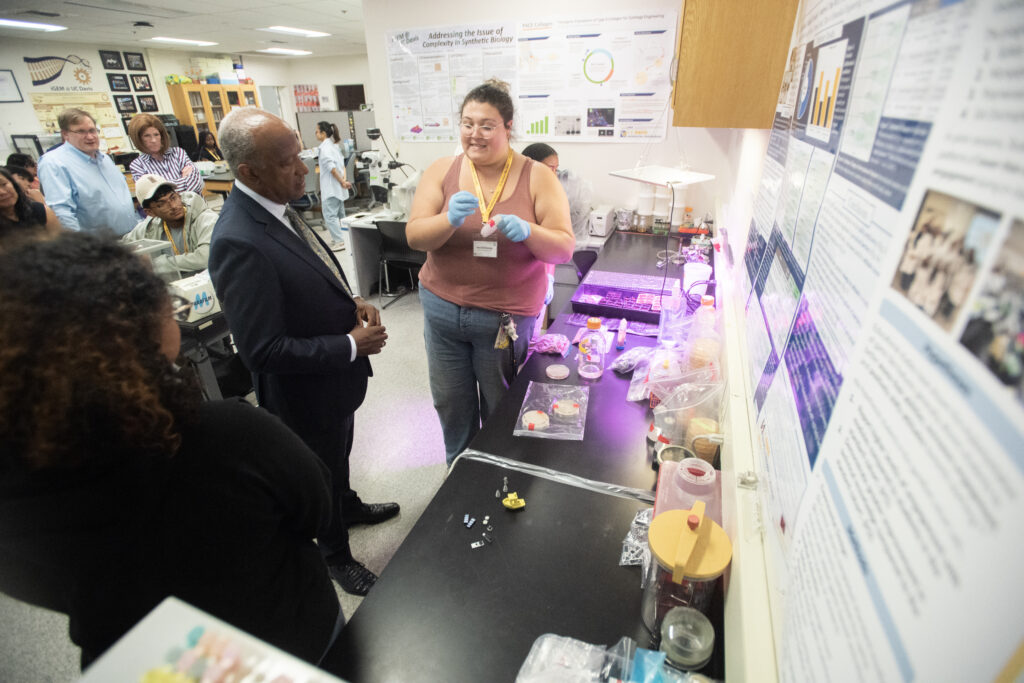
For young adults interested in science, understanding where that focus might lead can be difficult. Many never get the chance to see firsthand the wide range of academic and career opportunities that can grow from an interest in STEM.
NextGen Bio was created to help change that by giving students from the Capital Region an immersive introduction to biotechnology while helping build a pipeline of local talent for the region’s growing life sciences sector.
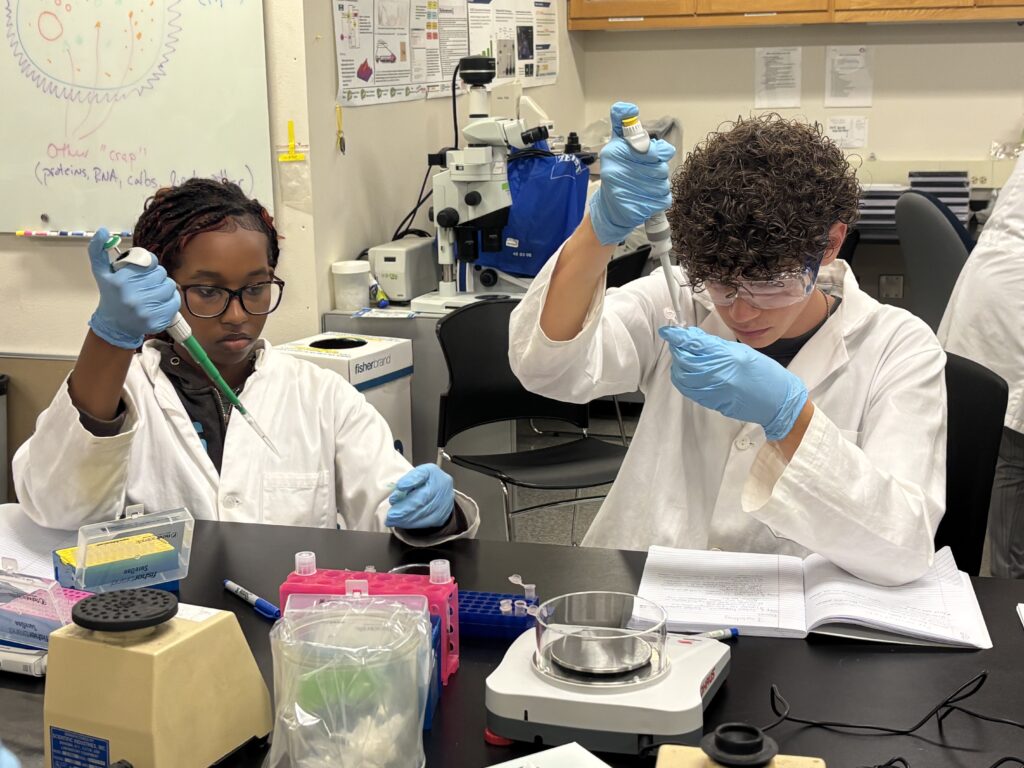
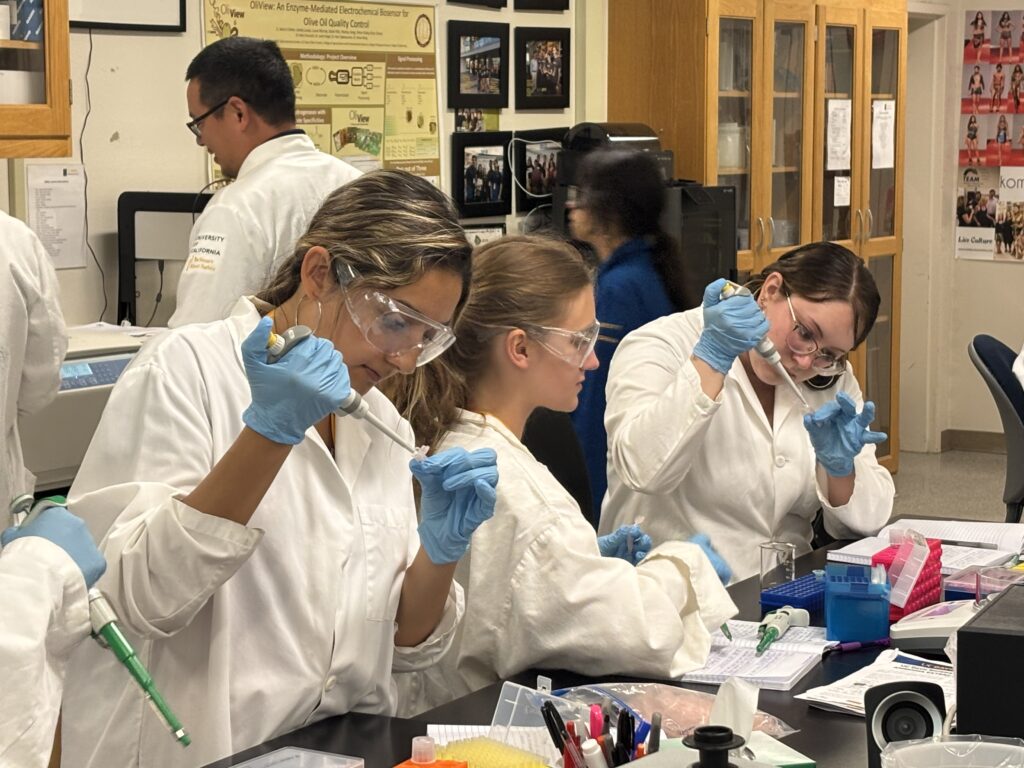
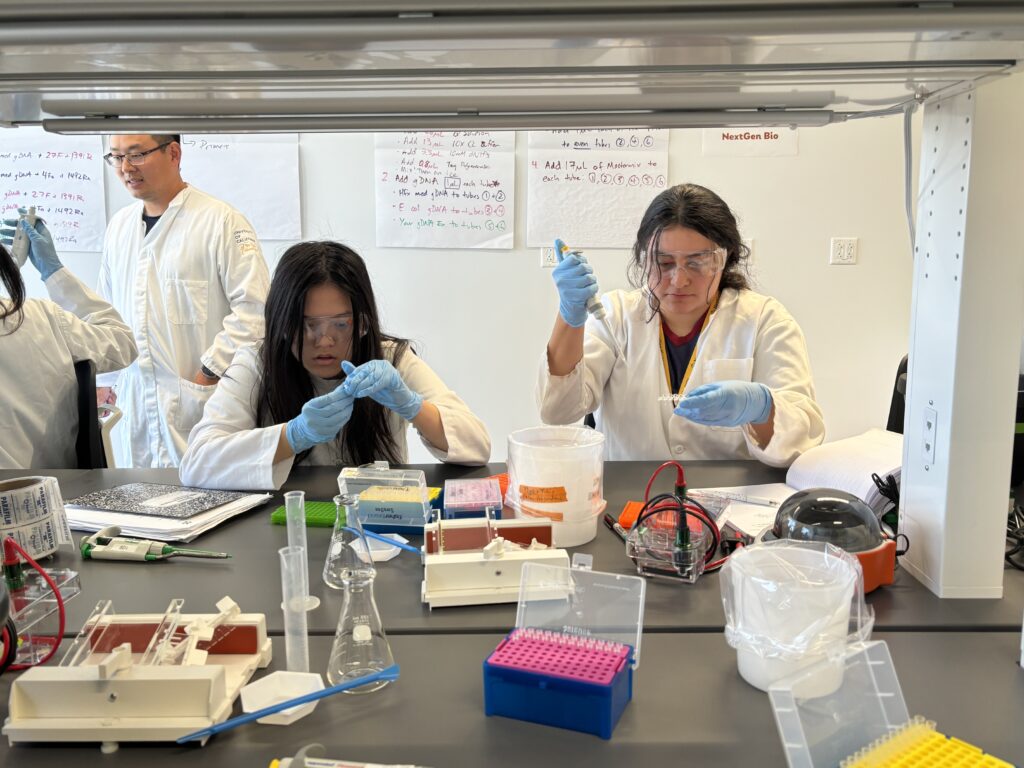
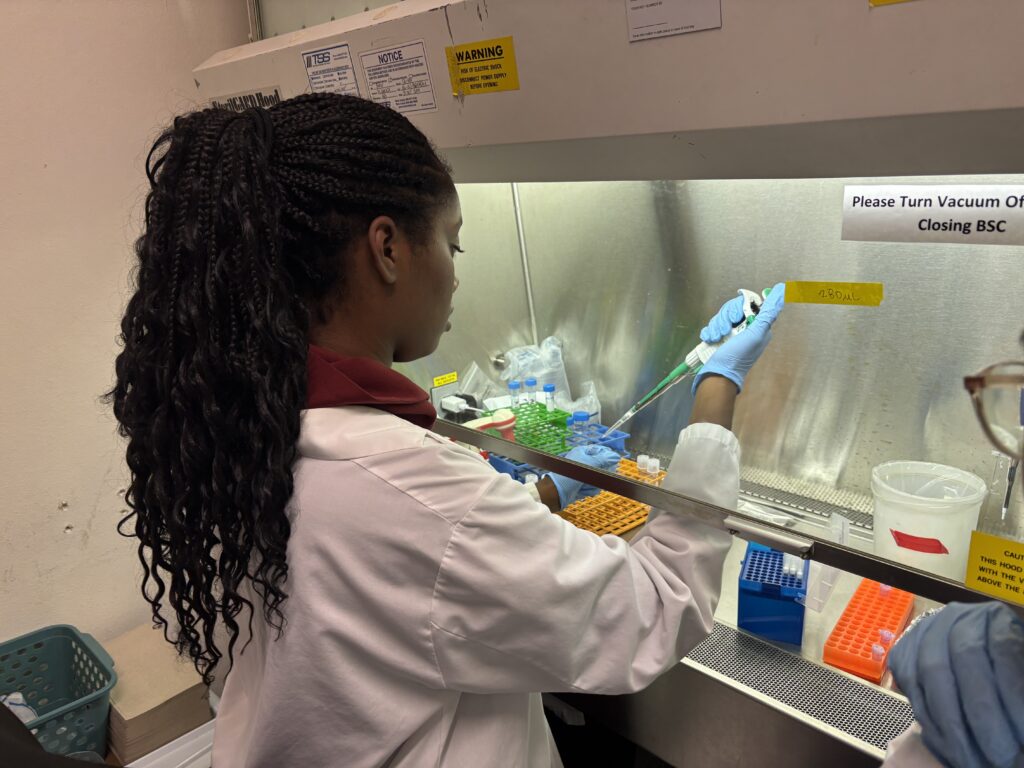
“We wanted students to have the opportunity to see biotechnology from the inside, not just learn about it in a classroom,” said Marc Facciotti, professor of biomedical engineering at UC Davis and faculty director of NextGen Bio. “When students get their hands on the technology, meet the people doing the work and tackle problems that matter to them, they can begin to see themselves as part of that discipline.”
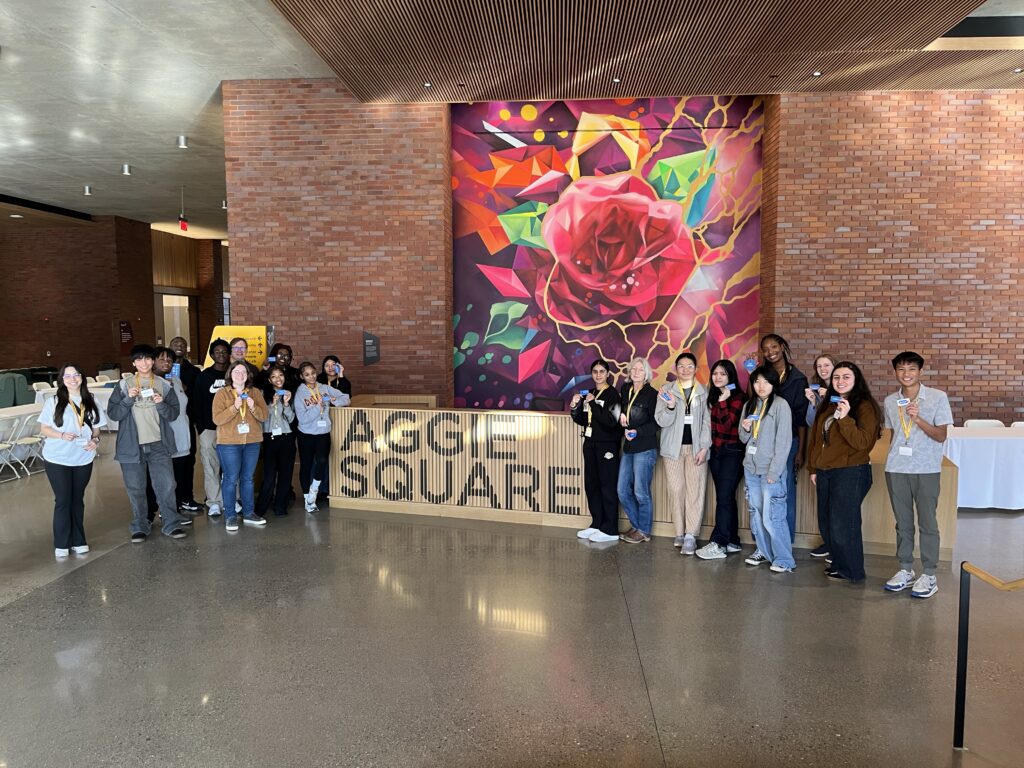
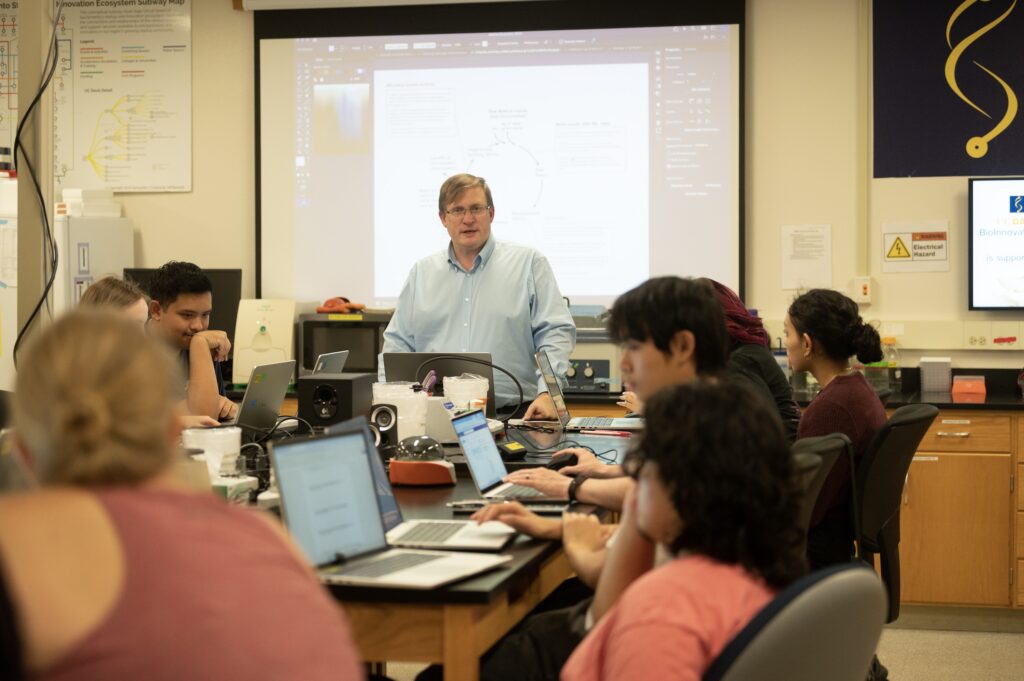
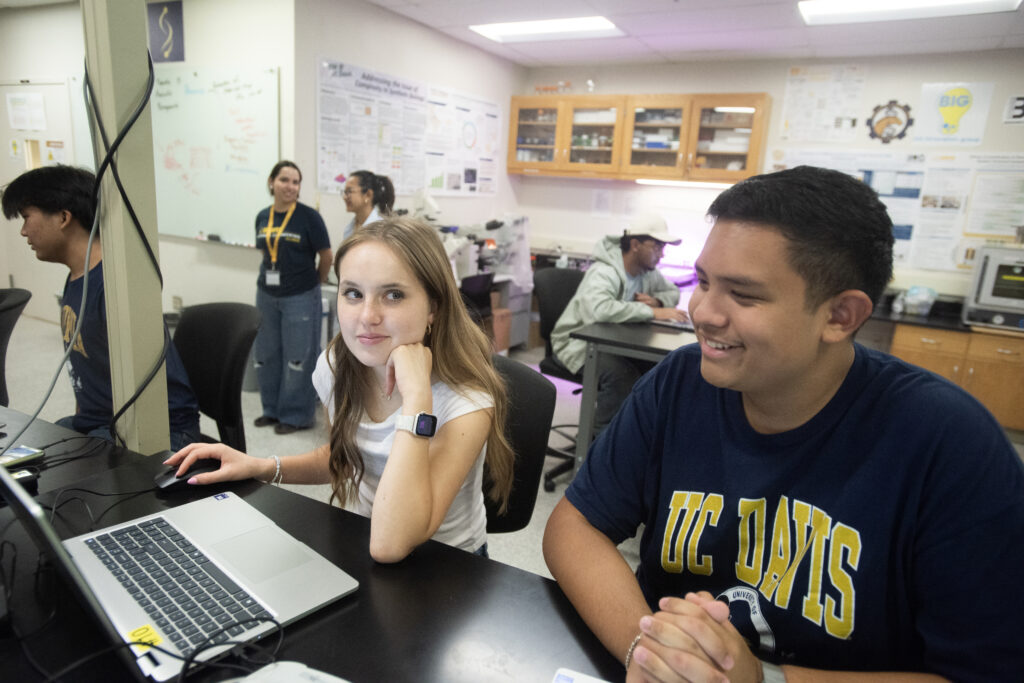
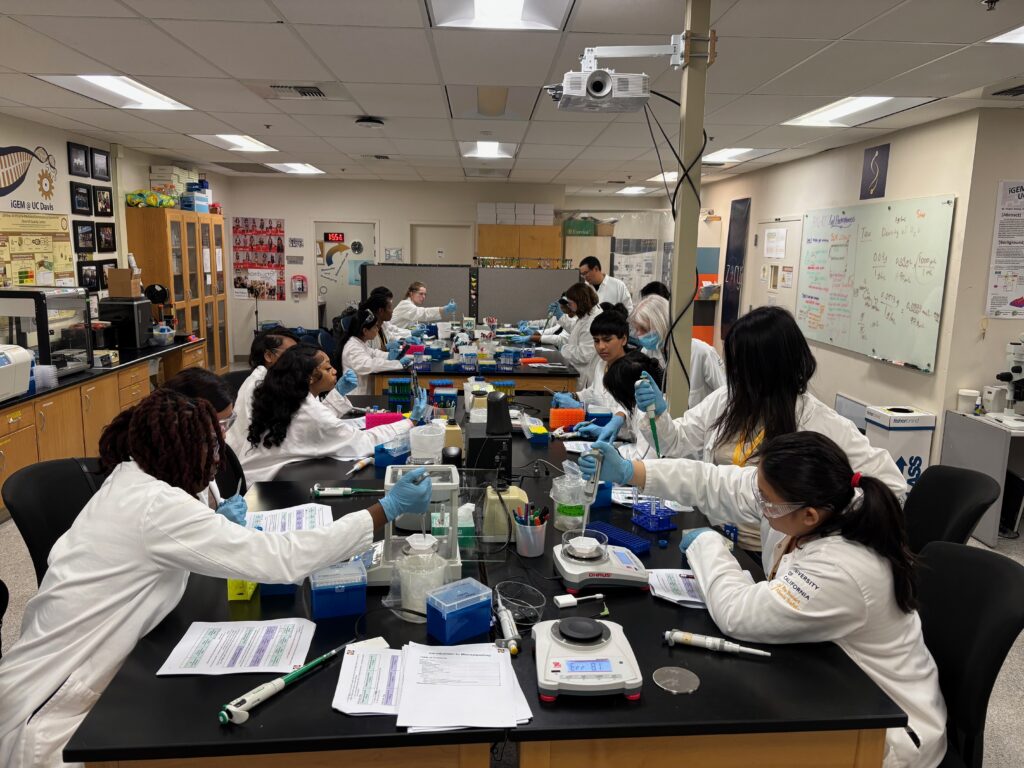
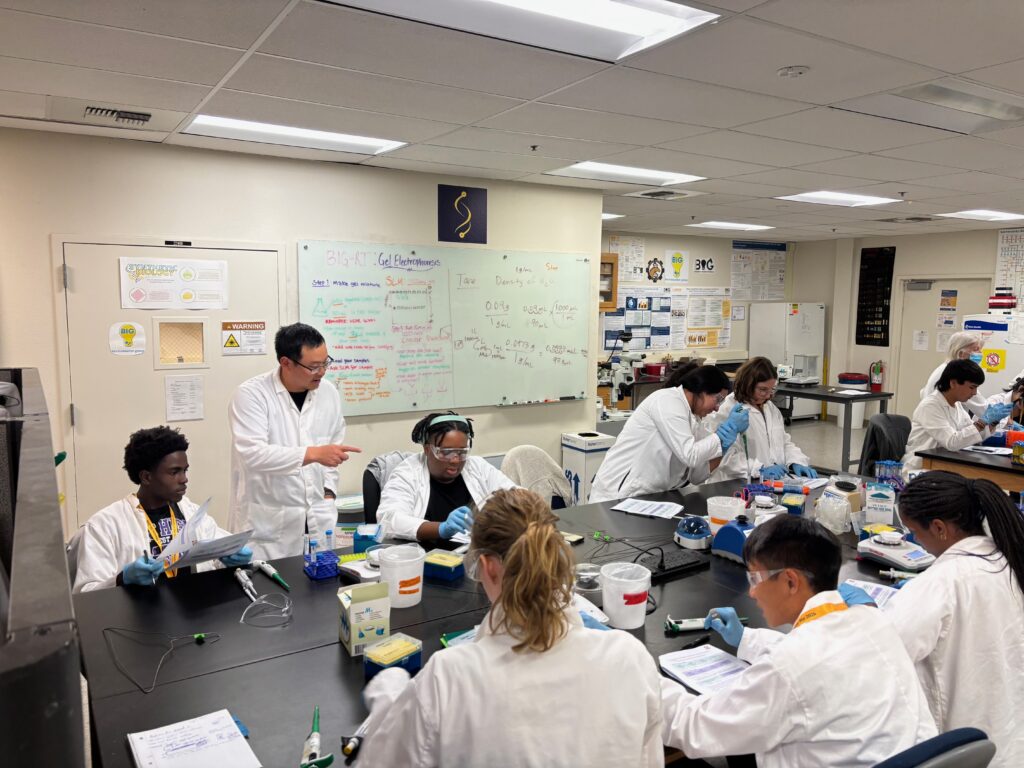
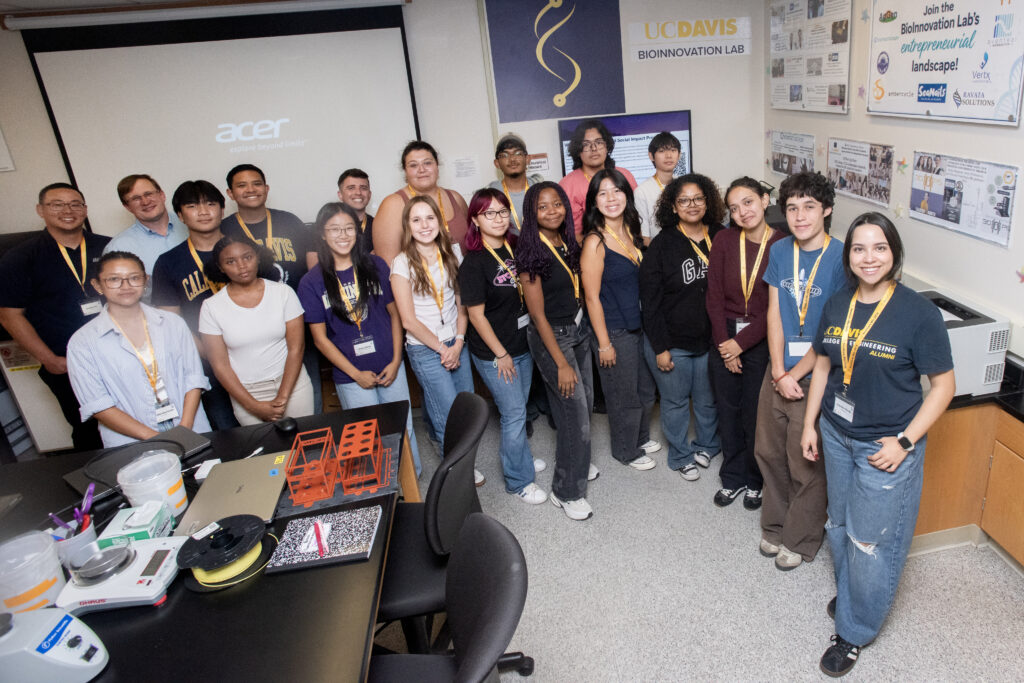
Funded through a grant from We Prosper Together, the multi-week program was hosted at Aggie Square and the UC Davis BioInnovation Lab, with nine educators from area high schools supporting and working alongside the students. Facciotti’s team at the BioInnovation Lab, including Anthony Yao and Valentina Rueda, also helped lead the program.
In all, 45 students across three cohorts went through the program and were provided stipends designed to make participation accessible regardless of their financial circumstances.
Different paths into biotechnology
Students came into the program with different backgrounds and expectations.
Jonathan Gonzalez-Saecho, a recent high school graduate from Elk Grove with aspirations to one day work in health care, applied for NextGen Bio with little knowledge of biotechnology and saw the program as an opportunity to explore an unfamiliar field.
“I really didn’t know what biotechnology entailed. My school doesn’t have an emphasis or focus on that,” Gonzalez-Saecho said. “Seeing a new side of STEM and getting hands-on laboratory experience was something I wanted to get out of the program.”
Lia Stigler, another Elk Grove-based student, already had some experience with biotechnology. Through her high school’s biomedical academy, she had exposure to scientific processes such as genetic (DNA) sequencing. NextGen Bio offered a chance to explore a different side of biotech.
“I joined the program to better understand technology’s role in medicine and how it can work with other science disciplines to improve lives,” Stigler said. “I was also looking for opportunities to get some hands-on research experience over the summer, before I go to college.”
Putting biotechnology into practice
Inspired by the region’s strong agricultural connections and UC Davis’ commitment to sustainability, the program’s central project focused on converting agricultural waste into PHA (polyhydroxyalkanoates), a natural polyester polymer or bioplastic.
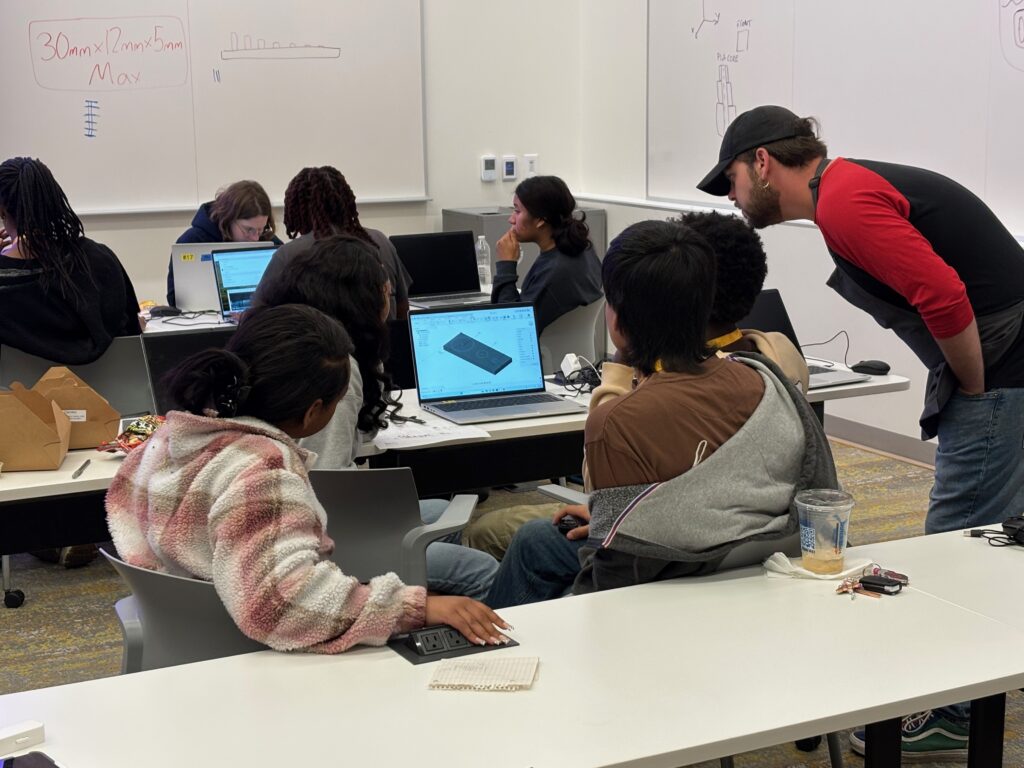
Over several weeks, students built on the work of each previous cohort, examining which types of agricultural waste were best suited for developing bioplastics, designing and 3D printing objects out of PHA and observing how those objects biodegrade over time compared with petroleum-based plastics.
For Yousif Alawad, a rising high school senior from Sacramento, stepping into a working laboratory and taking part in a team-based research project was initially intimidating.
“Going into a real lab, I was kind of scared that I would mess something up,” he said. “But after going through the program, I feel more confident in my lab skills and my overall confidence in being able to handle scientific and real-world challenges has grown.”
Learning more about the use of AI in research and medicine resonated with Stigler, who will begin college this fall to study neuroscience.
“I had a lot of questions about AI,” she said. “I’ve seen how doctors use it to assess CT scans, and because AI doesn’t get tired or sick or need an ‘off day,’ it could decrease the chances of a mistake happening. But I think it’s important to recognize that there’s limitations to AI, too.”
Biotech beyond the classroom
The program also gave students opportunities to see what biotechnology looks like outside an academic setting.
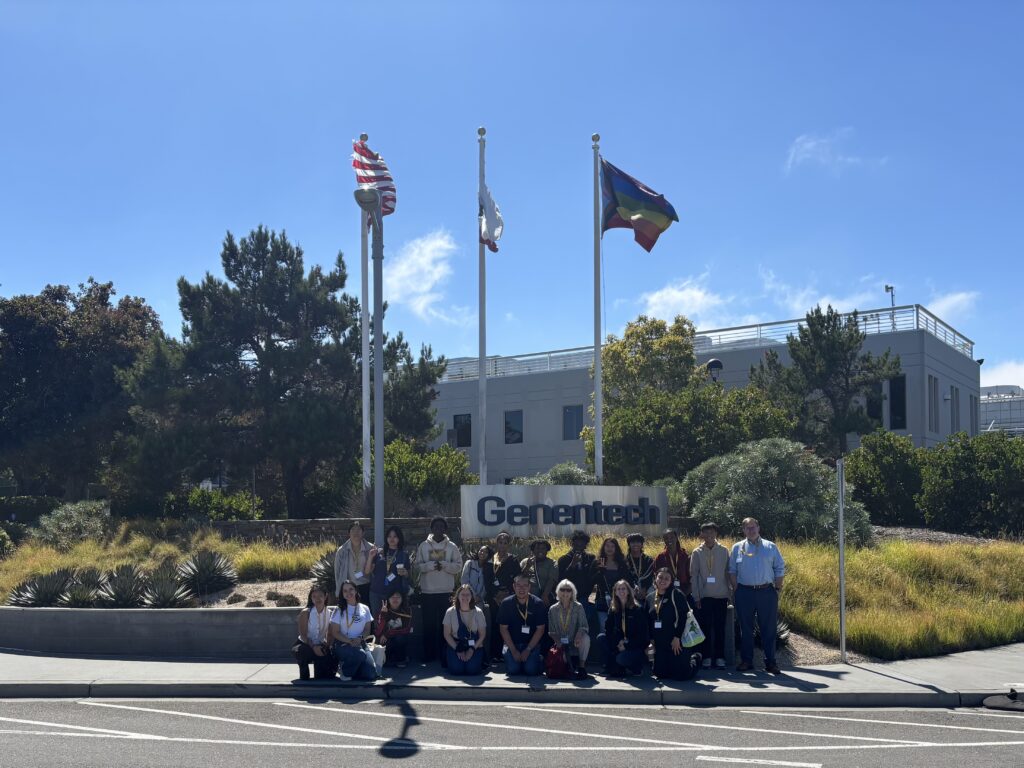
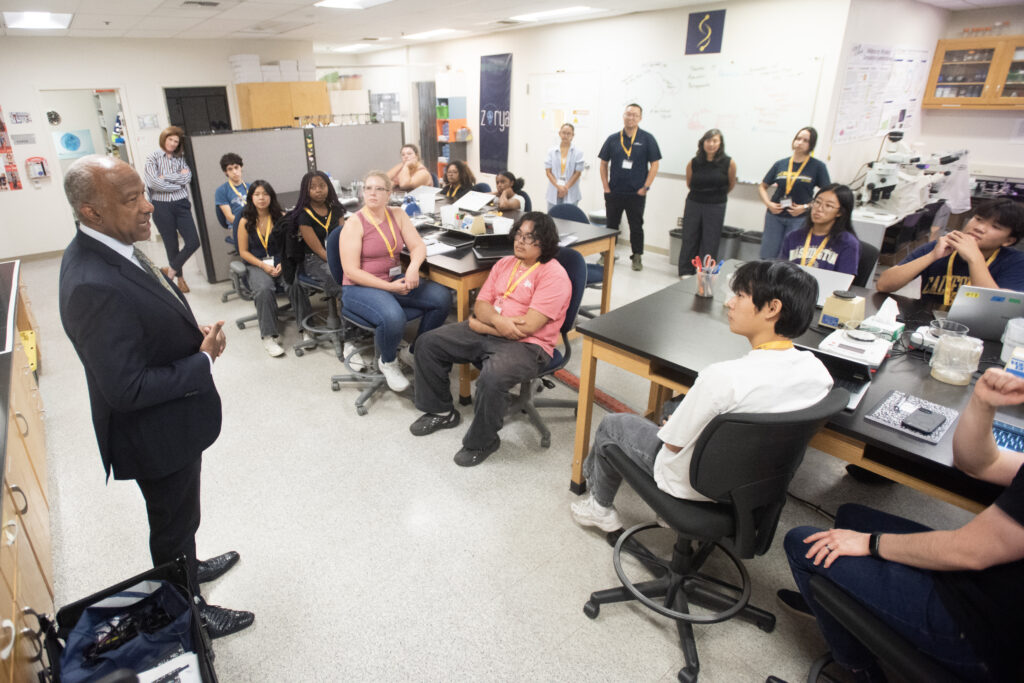
Field trips to private companies and talks from researchers, clinicians, entrepreneurs and industry professionals introduced students to a variety of jobs and specializations that make up the biotech and life sciences ecosystem.
“We spoke with [UC Davis Health GMP Facility director] Brian Fury, who shared his background and how he landed in his role,” Gonzalez-Saecho said. “Hearing from him definitely introduced a new career opportunity and something I never considered before.”
“My favorite field trip was definitely Genentech,” Stigler said. “I didn’t realize how large the biotechnology industry is, but seeing the campus and thousands of employees working on hundreds of different projects I thought was really cool.”
According to Facciotti, more than 50 people from the university, private companies and other academic communities contributed to the program, offering talks, tours and skills-development sessions.
“I was amazed and grateful for everyone’s generosity,” he said. “I’m thankful that so many awesome folks were willing to give of themselves for the ‘next generation’.”
Finding a place in the future of biotechnology
While students entered NextGen Bio with diverse backgrounds, career interests and levels of experience, they all came away from the program with stronger research skills and a greater understanding of the possibilities a field like biotechnology offers.
“This program gave me so many more ideas as to what I can do for my future path in science,” Alawad said. “I feel like the experience really helped shape my thinking about science overall.”
“There’s so much emphasis placed on needing to know what you want to do right after you graduate,” Gonzalez-Saecho said. “But so many people we talked to didn’t take a direct path into their career. The program showed me that there are so many different avenues and opportunities that you can explore. That was really neat to me.”
The hands-on experience and exposure to different STEM-based careers will benefit the participants as they progress in their studies. But for Facciotti, the deeper objective of NextGen Bio was to help students see themselves as individuals who could one day help shape the field.
“The goal was to give young people an opportunity to see everything the biotechnology ecosystem has to offer and to understand that there is a place for their interests, their skills and their ideas,” Facciotti said. “If we want to build a strong biotech economy in the Capital Region, we need to invest in the people who already call this place home and give them opportunities to imagine themselves as part of its future.”